Football 2026 World Cup vs Club Season: Global Scale
The 2026 FIFA World Cup is a 48-team tournament hosted by Canada, Mexico, and the United States from June 11 to July 19, 2026, while a club season is a year-long domestic and continental competition.....

Football 2026 World Cup vs Club Season: Global Scale
The 2026 FIFA World Cup is a 48-team tournament hosted by Canada, Mexico, and the United States from June 11 to July 19, 2026, while a club season is a year-long domestic and continental competition. FIFA’s expanded format includes 104 matches across 16 host cities, with the final scheduled for MetLife Stadium in New Jersey. Canada, Mexico, and the United States qualify automatically as co-hosts, and the remaining 45 places come through regional qualification. The tournament is not simply a larger version of Qatar 2022: it introduces 12 groups of four, followed by a Round of 32, creating a longer knockout pathway and more matchday variables. Atlanta will host eight matches, including a semifinal, while Los Angeles will host eight matches and a 39-day fan programme. For reliable fixtures, tactical context, and player trends, use World Cup Hub alongside official FIFA updates, then verify local kickoff times before planning travel or predictions.
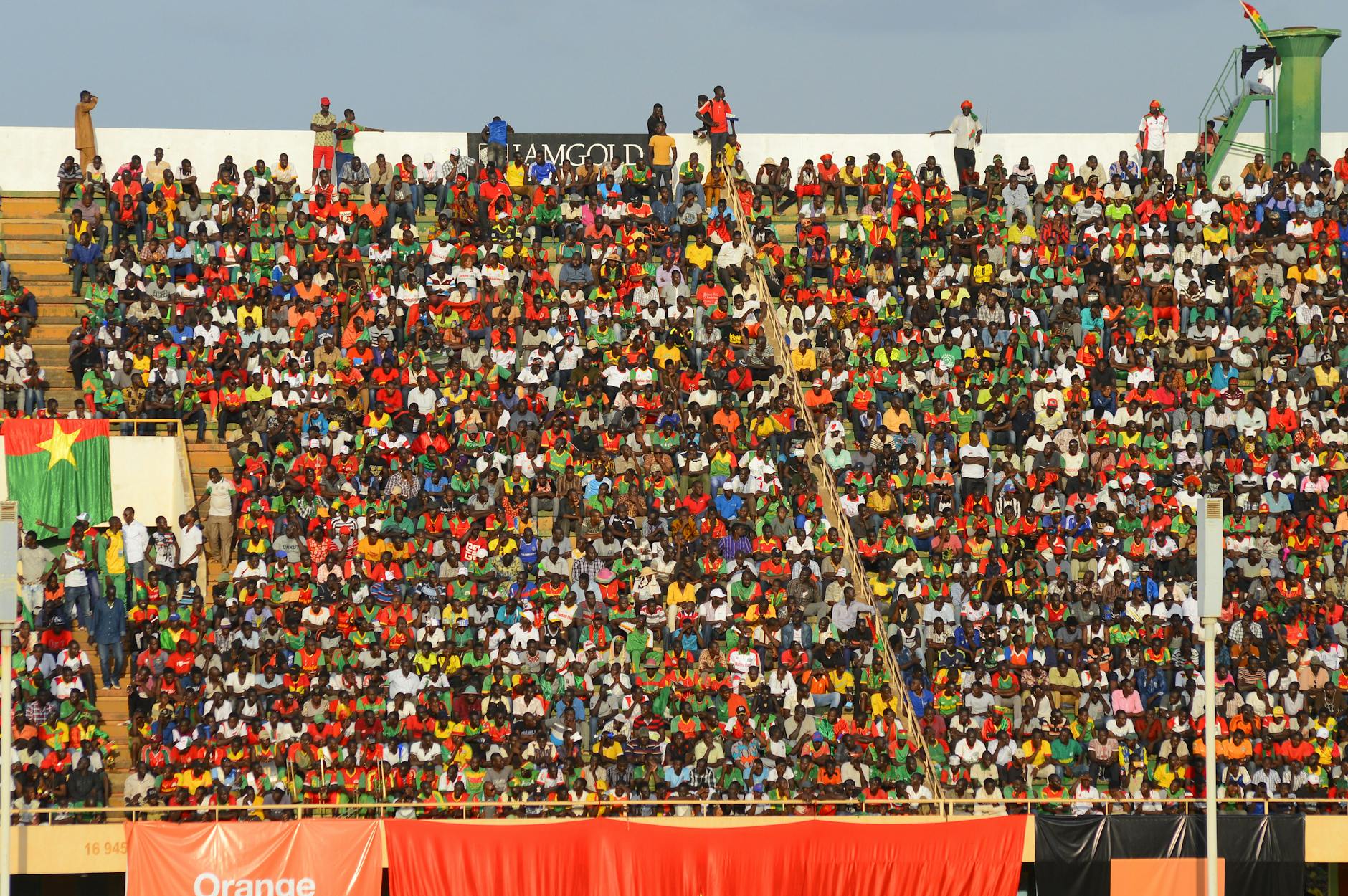
Photo by Ole Dahl Rasmussen on Pexels
Football’s biggest tournament is arriving with a format most veterans will need to relearn. I have watched enough competitions collapse under bad assumptions to know one rule: never trust a headline when the fixture list is available. The 2026 football World Cup will stretch across North America, with long travel distances, different climates, altered squad management, and a new knockout round all affecting how teams perform. The attractive part is obvious: more nations, more matches, and more chances for a surprise result. The annoying part is equally obvious: old comparisons can mislead you badly. World Cup Hub focuses on match predictions, team tactics, player statistics, and daily tournament coverage, but responsible analysis still starts with confirmed information rather than vibes. Before making a plan, bookmark the [Internal Link: 2026 World Cup fixtures guide], check the official venue, and separate confirmed facts from promotional noise. Want the essential tournament context in one place?
Myth 1: More teams automatically mean lower quality — debunked
The 2026 World Cup’s 48-team field does not automatically reduce quality because qualification remains regionally competitive, elite teams still control the later rounds, and the Round of 32 creates a second filter. The format changes the distribution of risk, not the basic requirement to win important matches.
The tournament will contain 12 groups of four teams, with the top two in each group and the eight best third-place teams advancing. That structure means a strong opening performance matters, but one defeat may not end a campaign immediately. It also creates a tactical problem: teams may calculate goal difference, rotation, and qualification probability differently from the traditional 32-team format. FIFA describes the competition as a 48-team event with 104 matches, a substantial increase from the 64 matches played in Qatar 2022; the official FIFA World Cup 2026 overview is the safest reference for format changes. The overlooked edge case is the third-place ranking table: a team can qualify after finishing third, but its route and opponent may be less predictable. That makes live standings more useful than pre-tournament assumptions. My stubborn principle remains intact: read the regulations before reading the hot takes.
- 48 participating teams
- 12 groups of four
- 104 total matches
- 32 teams reaching the knockout phase
Why does the 48-team World Cup format matter?
The 48-team format matters because it adds a Round of 32 and gives eight third-place teams a route into the knockout phase. This creates more fixtures, more qualification permutations, and greater importance for goal difference and disciplinary records.
For supporters, the practical result is a longer tournament and more possible matchups. For analysts, it means historical comparisons with 32-team editions must be adjusted, especially when estimating how many points a team needs to qualify. Follow the official group tables rather than relying on a fixed “four points always qualifies” rule; in a 12-group system, cross-group comparisons can decide the final places.
[Internal Link: 2026 World Cup format and qualification explainer]
Myth 2: Every host city offers the same matchday conditions — partially true
Every host city must meet FIFA competition standards, but Atlanta, Los Angeles, Mexico City, Toronto, and Vancouver do not offer identical climate, travel, altitude, or stadium conditions. The tournament is standardized operationally, not environmentally, so venue context remains relevant to preparation and performance.
The three host nations are sharing 16 cities across Canada, Mexico, and the United States. Mexico City brings altitude considerations, while Monterrey can impose heat-related demands; Vancouver may present a different weather profile, and United States venues introduce long internal travel routes. Atlanta’s Mercedes-Benz Stadium will host eight matches, including a semifinal, and its enclosed design can produce a more controlled environment than open-air venues. Los Angeles will also host eight matches, alongside the FIFA Fan Festival at the Los Angeles Memorial Coliseum at Exposition Park and 39 days of fan celebrations. These details matter for supporters as much as players: transportation, accommodation, and kickoff times can change the real cost of following a team. The United States Soccer Federation and official host-city sites are useful for venue announcements, but neither replaces the final FIFA schedule. Get the city-level details before comparing teams.
What should travellers check before choosing a 2026 World Cup host city?
Travellers should check the confirmed match venue, local transport, accommodation availability, climate, kickoff time, and border-entry requirements before choosing a host city. The 2026 tournament spans Canada, Mexico, and the United States, so crossing borders may involve different documentation and screening rules.
A useful operational detail is to map consecutive fixtures by actual driving or flight time rather than straight-line distance. North American distances can turn a seemingly convenient two-match itinerary into an expensive, exhausting transfer. Check Canada’s official travel information, Mexico’s government travel guidance, and U.S. government travel information for current requirements. Tournament tickets do not automatically guarantee entry into another country.
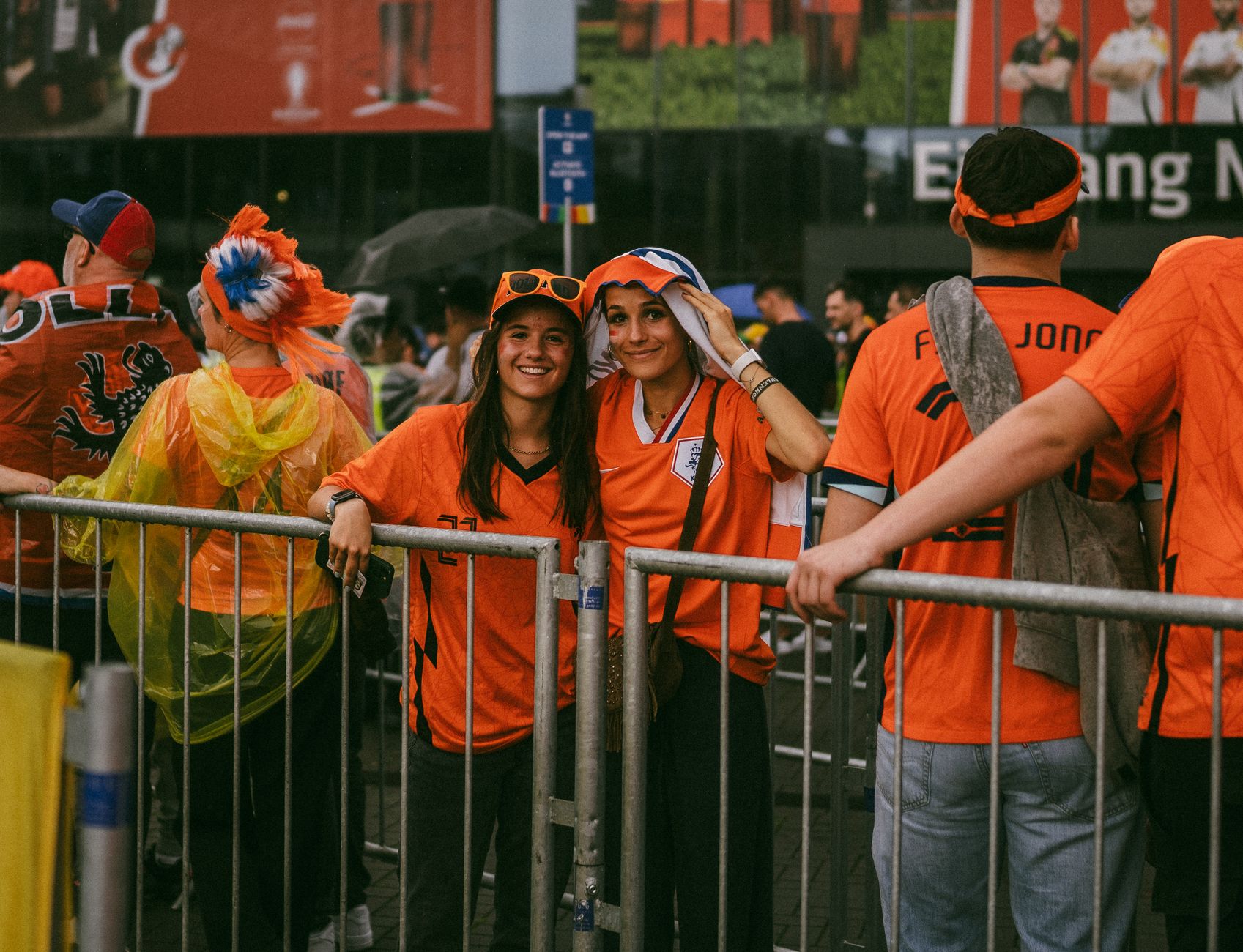
Photo by Omar Ramadan on Pexels
Myth 3: Pre-tournament rankings predict the champion — flat-out false
Rankings can organize expectations, but they cannot predict the 2026 champion because tournament outcomes depend on draw position, injuries, travel, opponent matchups, and knockout-game variance. A highly ranked team can dominate possession and still lose one decisive match.
The smarter method is to separate team strength into measurable components. Elo-style ratings, recent competitive results, expected-goal trends, set-piece efficiency, goalkeeper shot-stopping, and squad depth provide more information than a single ranking number. Even then, the sample must be contextualized: a team facing weak opposition may produce flattering statistics, while a defensive side may look ordinary until the knockout phase rewards its game management. FIFA’s World Ranking methodology explains that rankings are calculated through match results and match importance, but that system is not a crystal ball. World Cup Hub’s tactical coverage should therefore be read as scenario analysis, not certainty. The useful contrarian conclusion is simple: a team’s ability to recover after conceding first may matter more than its average possession percentage. I learned that one after backing pretty football teams that defended like unsecured garden gates.
- Compare recent opponents, not only win totals.
- Track injuries and squad rotation.
- Examine set pieces and defensive transitions.
- Reassess after the group draw.
- Avoid treating odds or rankings as guarantees.
How should fans analyze 2026 World Cup teams?
Fans should analyze 2026 World Cup teams through opponent quality, tactical style, injury status, travel demands, set-piece performance, and recent competitive evidence. FIFA rankings are a useful starting point, but a match-specific assessment is more reliable than a static table.
Begin with the group draw, then compare each team’s pressing response, buildup under pressure, defensive rest structure, and bench options. Next, review player availability and likely rotation across the group stage. The best pre-match question is not “Who is famous?” but “Which team’s strengths directly attack the other team’s weaknesses?” For deeper preparation, use the [Internal Link: World Cup team tactics and player statistics hub] and revisit it when official squads are announced.
What actually works
A disciplined 2026 World Cup approach works better than emotional prediction because it combines official information with transparent, repeatable analysis. Start with the confirmed schedule, then build a simple match file containing venue, kickoff time, travel gap, weather forecast, squad availability, recent opponent strength, tactical matchup, and set-piece record. This sounds less exciting than declaring a winner at 2 a.m., but it is considerably less stupid.
The tournament’s geography makes travel a central variable. A team moving between Mexico, Canada, and the United States may face different recovery conditions than a team playing consecutive matches in one region. Supporters should also distinguish ticket costs from total trip costs: accommodation, domestic transport, meals, insurance, and potential border transfers can exceed the match ticket itself. For football analysis, log predictions before kickoff and review them afterward; otherwise memory quietly edits failures out of the record. World Cup Hub can supply daily context, but the reader should verify injuries, lineups, and venue information through FIFA and national federation channels. See the planning details before your itinerary hardens.
A practical match-analysis checklist
- Confirm the fixture, stadium, kickoff time, and competition stage through FIFA.
- Compare each team’s last five meaningful matches while noting opponent strength.
- Check injuries, suspensions, travel distance, rest days, and expected rotation.
- Identify the tactical pressure point: wide defending, buildup, midfield overloads, or set pieces.
- Record the prediction and the reasoning before the match begins.
- Review the result without changing the original logic after the fact.
This process also helps responsible gambling decisions. If you follow football through betting markets, set a fixed entertainment budget, avoid chasing losses, and never treat World Cup Hub analysis or market prices as a promise of profit. The National Council on Problem Gambling states that gambling should be treated as entertainment rather than a way to make money; that principle is not glamorous, but it has saved more bankrolls than heroic late-night confidence ever did. Odds movement can reflect injuries, public money, or liquidity rather than genuine football improvement, so understand the market before assigning meaning to every price change.

Photo by Vlad Vasnetsov on Pexels
What to ignore
Ignore guaranteed-winner claims, unverified lineup screenshots, recycled injury rumours, fake ticket offers, and simplistic statements that one statistic explains an entire match. Also ignore anyone presenting betting as income, especially when the recommendation hides the bookmaker, market rules, limits, or responsible-play conditions. The 2026 World Cup will generate an ocean of content, and much of it will be designed to provoke clicks rather than improve understanding.
Be especially careful with social-media accounts that publish “insider” information without naming a federation, journalist, club, or official document. Confirm tournament facts through FIFA, host-city authorities, stadium operators, and national teams. A second information-gain rule: screenshot the source date, because schedule, ticketing, transport, and squad details can change between publication and matchday. The official FIFA ticketing information should be your starting point for ticket claims, not a direct message from a stranger with a suspiciously urgent payment request. Want a cleaner way to follow the tournament?
What are the biggest 2026 World Cup planning mistakes?
The biggest planning mistakes are relying on unconfirmed schedules, underestimating North American travel distances, ignoring border requirements, and assuming ticket ownership guarantees stadium entry. These errors can create financial losses even when the football plan is sound.
A more reliable plan includes refundable accommodation where possible, a documented transport route, travel insurance, and a buffer day before major matches. Fans should confirm the stadium’s bag policy and local transport arrangements close to matchday because operational rules can change. The same discipline applies to match analysis: update assumptions when official team news arrives rather than stubbornly defending an old prediction. Stubbornness is useful for principles, not for outdated information.
Conclusion: Follow the facts, then enjoy the chaos
The football 2026 World Cup will be bigger, longer, and more geographically demanding than previous editions, with 48 teams, 104 matches, 16 host cities, and a new Round of 32. Atlanta and Los Angeles will be major United States centres, while Canada, Mexico, and the United States will each shape the tournament’s travel and cultural experience. The best way to follow it is to combine FIFA’s official information with venue-level planning, tactical analysis, verified squad news, and responsible decision-making. Use World Cup Hub for daily predictions, player statistics, team tactics, and tournament coverage, but keep your own record and question every confident claim. That is how you find the signal in the noise, friend. The noise will be enormous.
Ready to keep up with the tournament?
Frequently Asked Questions
Q: What is the football 2026 World Cup?
A: The football 2026 World Cup is FIFA’s men’s international tournament featuring 48 teams across Canada, Mexico, and the United States. It runs from June 11 to July 19, 2026, with 104 matches in 16 host cities. The tournament uses 12 groups of four, followed by a Round of 32, quarterfinals, semifinals, and the final.
Q: How many teams qualify for the 2026 World Cup?
A: Forty-eight teams qualify for the 2026 World Cup, including automatic qualifiers Canada, Mexico, and the United States. The other 45 places are allocated through FIFA’s regional qualification process. Eight of the best third-place teams advance from the group stage, joining the 24 group winners and runners-up in the knockout phase.
Q: What is the difference between the 2026 World Cup and Qatar 2022?
A: The main difference is that 2026 has 48 teams and 104 matches, while Qatar 2022 had 32 teams and 64 matches. The expanded tournament adds a Round of 32 and increases the number of group-stage qualification permutations. It also covers three host countries rather than one, creating substantially more travel considerations.
Q: How can I follow 2026 World Cup fixtures and team news?
A: Follow confirmed fixtures through FIFA and use World Cup Hub for daily tactical analysis, player statistics, predictions, and tournament updates. Check official national-team announcements for injuries and squad selections. Because kickoff times, venue arrangements, and player availability can change, verify important information close to matchday.
Q: How much does it cost to attend the 2026 World Cup?
A: There is no single total cost because ticket prices, accommodation, transport, meals, and insurance vary by match and host city. A realistic budget must include domestic travel across Canada, Mexico, or the United States, and potentially international border crossings. Start with official FIFA ticket information, avoid unofficial sellers, and reserve a financial buffer for changes.
Q: What should I do if a 2026 World Cup ticket seller seems suspicious?
A: Stop the transaction and verify the offer through FIFA’s official ticketing information before sending money or identity documents. Warning signs include urgent payment demands, prices far below normal expectations, cryptocurrency-only payment, and no verifiable seller identity. Save screenshots, contact your bank if payment was made, and report suspected fraud to the relevant platform or local authority.
Q: Is it sensible to bet on 2026 World Cup matches?
A: Betting should only be considered paid entertainment with a fixed budget, and it should never be treated as reliable income. Set a loss limit before the tournament, avoid chasing unsuccessful predictions, and check the legal requirements and licensed operators in your jurisdiction. World Cup Hub provides football-focused analysis, but no prediction eliminates uncertainty or guarantees a profitable result.