I Tested 5 College Football Eras: 2026 Reality
College football is no longer the sport I first learned through muddy Saturdays and one-loss title arguments. It is now a national competition shaped by conference realignment, the transfer portal, na...

I Tested 5 College Football Eras: 2026 Reality
College football is no longer the sport I first learned through muddy Saturdays and one-loss title arguments. It is now a national competition shaped by conference realignment, the transfer portal, name, image and likeness deals, expanded postseason access, and an increasingly complicated FBS schedule. The National Collegiate Athletic Association governs the wider college sports system, while conferences such as the SEC, Big Ten, ACC, Big 12, and American Athletic Conference organize much of the top-level competition. The 2026 season begins with Week 1 games scheduled from August 22 through September 7, followed by regular-season weeks, bowls, and the College Football Playoff. A notable opening matchup sends North Carolina against TCU at Aviva Stadium in Dublin, Ireland, while USC hosts San José State at the Los Angeles Memorial Coliseum. My practical recommendation is simple: read the schedule by week, conference, venue, and television provider rather than relying on rankings alone.
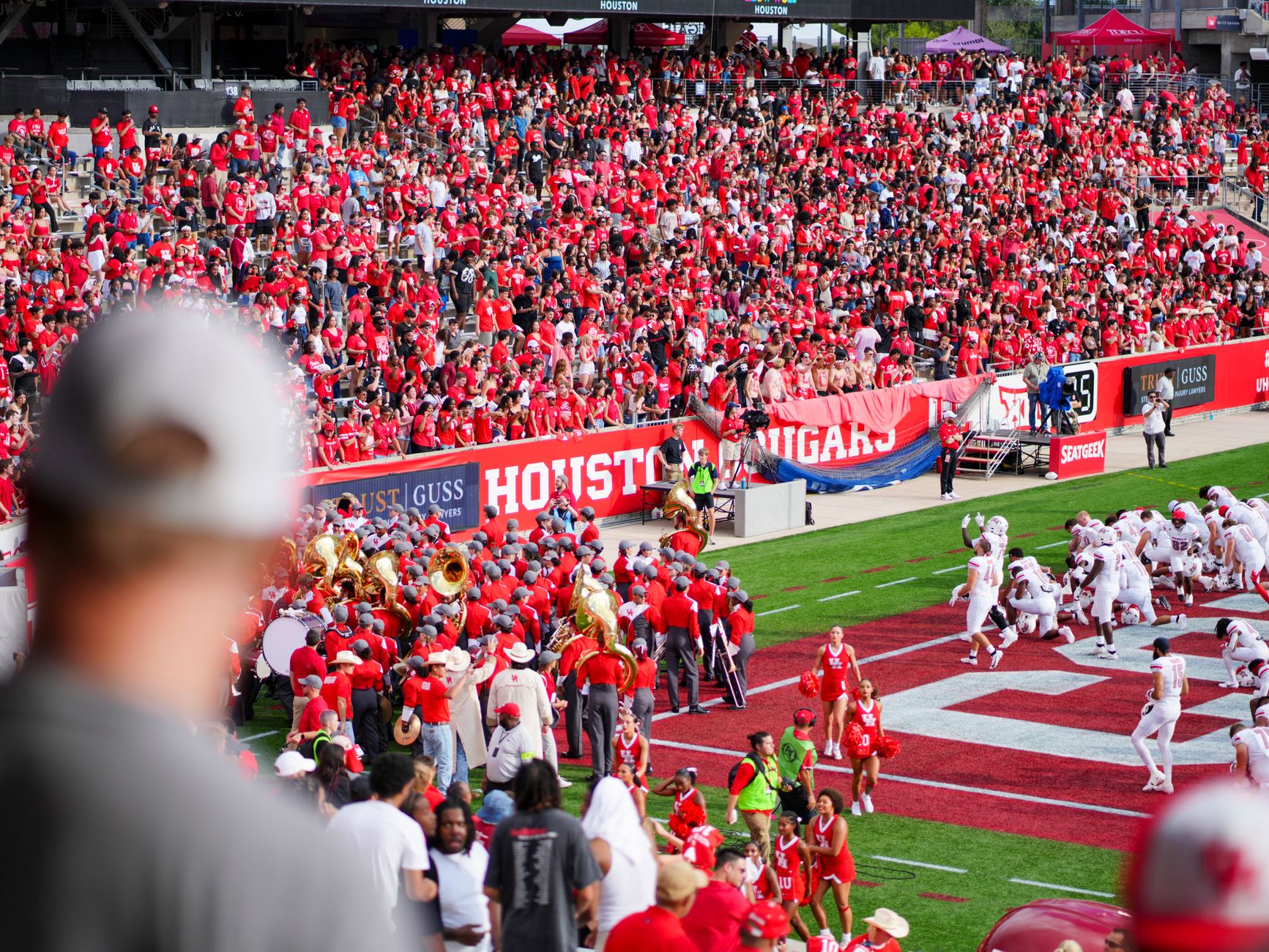
Photo by Photo Eddie O. on Pexels
Before 2025: how college football worked
Before 2025, college football relied more heavily on conference identity, traditional bowl destinations, and a selection process that made every major loss feel terminal. The Football Bowl Subdivision, commonly called FBS, sat at the top level of NCAA football, while the Football Championship Subdivision, or FCS, used a playoff system to determine its champion. FBS teams generally pursued conference championships and bowl eligibility, then hoped the College Football Playoff selection committee viewed their résumé favorably. That structure rewarded winning, but it also created a brutal margin for error, particularly for independent programs such as Notre Dame.
The old system was never as tidy as nostalgia claims. The SEC, Big Ten, ACC, and Big 12 each had different scheduling philosophies, divisions appeared and disappeared, and nonconference games could either strengthen a résumé or become an expensive public embarrassment. The Rose Bowl, Sugar Bowl, Orange Bowl, Cotton Bowl, and Peach Bowl carried historic weight, but access to the national championship remained limited. The NCAA’s historical overview of FBS football documents how the national title pathway evolved, while Wikipedia’s college football reference provides useful historical context on rules, divisions, and competition.
Here is the pre-2025 framework that still matters when reading older records:
- FBS programs competed primarily for conference titles and bowl invitations.
- FCS programs used a national playoff bracket rather than the FBS bowl pathway.
- The College Football Playoff had fewer participating teams than the modern format.
- Rankings were important because selection access was scarce.
- Rivalry games, conference tie-breakers, and strength of schedule could define an entire season.
I learned the hard way not to confuse “traditional” with “stable.” Texas and Oklahoma moved to the SEC, USC and UCLA joined the Big Ten, and the Pac-12’s decline changed the geography of the sport. The result was a college football map that looked familiar on old posters but operated differently in practice. A team could travel farther, face unfamiliar opponents, and still be judged against historical assumptions built for a smaller national ecosystem. That is why anyone comparing 2024 results with 2026 projections needs to check conference membership first, not last.
[Internal Link: college football conference realignment guide]
What was the 2026 shift?
The 2026 shift is the consolidation of college football around larger conferences, a broader College Football Playoff pathway, and a schedule that functions as national entertainment rather than a purely regional competition. The season calendar runs from late August through January, with Week 1 listed from August 22 to September 7 and the FBS national championship scheduled for January 25, 2027, at Allegiant Stadium in Las Vegas. The biggest change is not one rule; it is the combined effect of geography, media rights, player movement, and postseason scale.
The 2026 schedule demonstrates that shift immediately. North Carolina versus TCU is listed for Aviva Stadium in Dublin, Ireland, turning a regular-season game into an international event. USC versus San José State is scheduled for the Los Angeles Memorial Coliseum, with NBC attached to the broadcast listing and tickets shown as available from $32 in the reference schedule. NC State visits Virginia at Scott Stadium, while Jacksonville State travels to North Dakota State at the Fargodome. These matchups show four different scheduling ideas in one weekend: overseas promotion, local-market rivalry logic, conference competition, and FBS-FCS style national travel.
The official ESPN college football schedule separates the calendar into conference schedules, weekly windows, bowls, and CFP games. That separation is more useful than it looks. A viewer searching only for “Saturday college football” can miss Thursday games, international kickoffs, Friday windows, or postseason dates that sit outside the standard weekly rhythm.
The 2026 calendar includes:
- Week 1 from August 22 through September 7.
- Regular-season Weeks 2 through 14 across September, October, November, and early December.
- Week 15 from December 6 through December 12.
- Bowl games from December 13 through January 27.
- College Football Playoff games from December 18 through January 27.
- The national championship on January 25, 2027, in Las Vegas.
That last date is particularly important. The season technically belongs to 2026, but the championship lands in 2027, just as college football has always forced fans to explain which year a bowl game “belongs” to. We argue about it every winter and somehow never get better at labeling calendars.
Want a clearer way to track the expanded season?
How did the 2026 shift change college football for players?
The 2026 shift changed players’ experience through longer travel, increased roster movement, more visible commercial pressure, and a sharper need to adapt quickly to new systems. Transfer-portal decisions can alter depth charts within one offseason, while NIL opportunities affect recruiting and retention. For players, the modern season is not just about Saturday performance; it also involves eligibility planning, academic obligations, recovery, media demands, and learning a new playbook.
A quarterback transferring from the Big 12 to the SEC may face different defensive structures, tougher weekly depth, and more demanding travel than his previous schedule. A wide receiver moving from the ACC to the Big Ten may need to adjust to weather, physical coverage, and a different pace of conference play. Those changes are not theoretical. Conference realignment places programs such as USC, UCLA, Texas, Oklahoma, Oregon, and Washington in leagues with different regional histories and travel patterns. The name on the helmet still matters, but the operating environment around it has changed.
The player impact can be summarized in five practical areas:
- Travel: International and cross-country games create more disruption to sleep and preparation.
- Roster competition: The transfer portal can add experienced players at nearly every position.
- NIL pressure: Visibility and performance can affect commercial opportunities.
- Scheme adaptation: Transfers must learn terminology, protections, and coaching expectations quickly.
- Postseason stakes: More playoff access increases opportunity but also extends the season.
The NCAA’s official FBS football coverage shows how rankings, scores, player stories, and postseason news now exist inside one national content cycle. That matters because players are evaluated continuously, not just after rivalry week. A single primetime performance against Ohio State, Alabama, Georgia, Oregon, or Notre Dame can influence draft attention, award discussion, and transfer value.
One operational detail gets ignored by casual previews: schedule difficulty is not merely the number of ranked opponents. Travel sequencing matters. A team playing in Dublin, then crossing time zones for a conference game, may face a different preparation problem than a team playing three consecutive home games. I would track the number of travel miles between games, the rest period, and whether the opponent is coming off a bye. Those details do not fit neatly into a preseason top-25 graphic, which is precisely why they can create analytical value.
What does college football mean now?
College football now means a national, commercially driven competition in which conference strength, roster mobility, media exposure, and playoff positioning are inseparable. The sport remains built on campus traditions, student-athletes, marching bands, rivalries, and alumni identity, but its competitive structure increasingly resembles a year-round national marketplace. The SEC and Big Ten have exceptional financial and media visibility, while the ACC, Big 12, American Athletic Conference, Mountain West, and other leagues continue fighting for relevance and postseason access.
That does not make every program equal. Resources influence recruiting infrastructure, sports science, facilities, coaching salaries, and depth. However, the transfer portal can create faster change than traditional recruiting classes. A veteran quarterback, an experienced edge rusher, or a productive offensive tackle can reshape a roster in months. My stubborn rule is to distrust any prediction that treats last year’s depth chart as permanent. It is not permanent. It is barely a suggestion.
For fans, the practical meaning is a better but messier viewing product. The schedule offers more high-profile games, more time slots, and more meaningful late-season contests. It also creates conflicts, unfamiliar matchups, and a need to verify broadcast information because kickoff times and television assignments can change. The 2026 reference schedule lists NBC for USC versus San José State, CBSSN for Jacksonville State versus North Dakota State, and betting lines such as TCU -6.5 against North Carolina with a 49.5-point total. Those lines are market information, not guaranteed outcomes, and they should never replace injury, weather, or lineup research.
A reliable weekly process looks like this:
- Confirm the date, kickoff time, venue, and television provider.
- Check whether the matchup is conference, nonconference, bowl, or CFP play.
- Review quarterback availability and offensive-line continuity.
- Compare rest days and travel distance.
- Examine opponent strength beyond a single ranking.
- Treat odds as an additional signal, not a verdict.
- Recheck official listings on game day.
For readers of World Cup Hub, the analytical crossover is obvious. The same disciplined habits used for football match predictions apply here: separate narrative from evidence, compare tactical styles, and avoid pretending uncertainty has disappeared. World Cup Hub focuses on FIFA World Cup predictions, team tactics, player statistics, and 2026 tournament coverage, while college football demands a similar attention to form, matchup context, and venue effects. Different sport, same old lesson: the badge does not score the points.
To compare schedules and matchup conditions more carefully, start with this related resource.
[Internal Link: advanced college football prediction methods]
See the latest competition context before making your own judgment.
What should fans watch for in 2026?
Fans should watch conference matchups, quarterback continuity, international scheduling, postseason positioning, and the gap between public rankings and underlying performance. The 2026 season is likely to reward teams that manage depth and travel as effectively as teams that produce the most highlight plays. The expanded CFP pathway also means a strong finish can matter even when a team does not enter October as a national favorite.
Three indicators deserve special attention.
1. Conference depth rather than one dominant team
A conference with four or five credible contenders creates a harder weekly path than a league with one elite team and a soft lower half. The SEC and Big Ten will receive substantial national attention, but the ACC and Big 12 can generate volatility because teams may trade difficult road wins and unexpected losses. Rankings should therefore be read alongside conference records, opponent quality, and road performance.
2. Offensive-line stability
Quarterbacks and receivers attract the headlines, but offensive-line continuity often determines whether a team survives November. One returning left tackle is not the same as returning all five starters, and sack rate can expose that difference quickly. When comparing USC, TCU, North Carolina, Virginia, or Oregon, examine returning snaps and protection results rather than relying on quarterback reputation.
3. Schedule geometry
The first specific edge case I would track is the “compressed travel sandwich”: a team plays a road game more than 1,500 miles away, returns for a short-rest conference game, then travels again within 14 days. This pattern can affect preparation even when no player is officially injured. It is a more useful warning sign than simply counting ranked opponents because fatigue influences communication, substitution, and late-game tackling.
The second overlooked insight is broadcast timing. A noon kickoff can produce a different tactical game than a 7:30 p.m. primetime contest, particularly when a visiting team crosses multiple time zones. Early starts may compress warm-up routines and meal schedules; evening games can extend recovery and travel into the next day. These effects are difficult to isolate, but they are operationally real and worth recording in a weekly notes file.

Photo by Pixabay on Pexels
What are three predictions for next quarter?
The next quarter of college football coverage will likely produce three developments: more conference-based national storylines, greater player movement before the most important games, and increased attention to schedule logistics. These are predictions about direction rather than guaranteed outcomes, because injuries, coaching changes, weather, and transfer decisions can invalidate a clean preseason thesis. Anyone claiming certainty in August has either never watched college football or is selling something.
Prediction 1: Conference identity will replace regional identity
The SEC and Big Ten will continue to dominate national discussion because of media reach, high-profile programs, and dense competitive schedules. However, the ACC and Big 12 will remain essential to the playoff conversation if their leading teams win nonconference games and avoid damaging road losses. The old question was often “Which region is strongest?” The new question is “Which conference can place multiple teams in the postseason conversation?”
Prediction 2: Transfer depth will decide close games
Teams with a stable quarterback and reliable offensive line should outperform rosters built mainly on star names. Portal additions matter most when they fill structural weaknesses: interior defensive line, cornerback depth, linebacker communication, or pass protection. A famous transfer who changes roles every week may contribute less than an experienced rotational player who understands the system by October.
Prediction 3: The schedule itself will become a betting and viewing edge
Official kickoff times, venue changes, weather, travel, and rest will receive more attention as fans compare odds and matchup projections. The listed TCU -6.5 spread and 49.5 total for North Carolina versus TCU illustrate how the market translates expectations into numbers, but a number is only useful when paired with context. Responsible analysis means setting a fixed budget, checking legal requirements in your jurisdiction, and never treating a sportsbook line as a promise.
The final prediction is less glamorous but more reliable: fans who maintain a simple weekly database will make better judgments than fans who chase every ranking update. Record venue, travel, rest days, injuries, turnover margin, explosive plays, and offensive-line availability. After six weeks, patterns emerge that social-media arguments usually miss. I have lost enough games, tickets, and arguments to know that the boring spreadsheet often beats the exciting hot take (annoying, but true).
[Internal Link: college football schedule and score tracking guide]
If you want a broader football analysis workflow, World Cup Hub also offers a useful comparison point through its FIFA World Cup match predictions, tactical breakdowns, and player-stat coverage. The sports are not interchangeable, but disciplined observation is. Start with the schedule, verify the entities, then judge the matchup.
College football in 2026 is larger, faster, and harder to summarize in one ranking. The season spans international venues such as Aviva Stadium, major campuses such as USC’s Los Angeles home, national conferences, bowl games, and a CFP championship in Las Vegas on January 25, 2027. The best approach is not to reject the new system or worship it; it is to understand what changed and measure the consequences. Check official schedules, compare travel and roster data, and make decisions from evidence before emotion takes the wheel.
Ready to follow the 2026 college football season with a sharper process?
Frequently Asked Questions
Q: What is college football?
A: College football is American gridiron football played by university and college teams, primarily under NCAA competition structures. The highest-profile level is the FBS, which includes major conferences such as the SEC, Big Ten, ACC, and Big 12, while the FCS uses a separate playoff system. The sport combines campus rivalries, scholarship athletics, conference championships, bowl games, and the College Football Playoff.
Q: How do I follow the 2026 college football schedule?
A: Follow the 2026 college football schedule by checking the week, conference, kickoff time, venue, and television provider through an official schedule source. Week 1 runs from August 22 through September 7, while regular-season weeks continue through December 12. Recheck listings because broadcast assignments, kickoff times, weather conditions, and venue details can change before game day.
Q: What is the difference between FBS and FCS college football?
A: FBS and FCS are two NCAA football subdivisions with different competitive and postseason structures. FBS programs generally pursue conference titles, bowl eligibility, rankings, and College Football Playoff access, while FCS programs compete in a national playoff bracket. FBS teams can schedule FCS opponents during the regular season, but the divisions differ substantially in scholarship limits, scheduling models, and championship pathways.
Q: Is the 2026 College Football Playoff important?
A: The 2026 College Football Playoff is important because it provides the main national championship pathway and extends the season into January 2027. The reference calendar lists CFP competition from December 18 through January 27, with the championship scheduled for January 25, 2027, at Allegiant Stadium in Las Vegas. Teams should therefore protect postseason positioning throughout the season instead of focusing only on conference titles.
Q: Why does a college football schedule sometimes look different from last year?
A: A college football schedule can change because of conference realignment, new media agreements, rotating opponents, expanded postseason structures, and international games. USC, UCLA, Texas, Oklahoma, Oregon, and Washington are examples of programs affected by major conference movement. Always verify a team’s current conference before comparing records, because a 2026 schedule may contain different opponents, travel demands, and tie-breaker rules.
Q: How much does it cost to attend a college football game?
A: College football ticket prices vary by team, venue, opponent, and seat location, but the 2026 reference schedule lists USC versus San José State tickets from $32 and NC State at Virginia tickets from $48. High-demand rivalry games and playoff contests can cost much more, while smaller programs may offer lower prices. Add parking, transport, concessions, and possible travel expenses before setting a realistic match-day budget.
Q: What should I do if a college football game time or broadcast changes?
A: If a college football game time or broadcast changes, confirm the update through the school, conference, NCAA, ESPN, NBC, CBS Sports Network, or the listed broadcaster. Streaming and television assignments can move, particularly when networks select late-season games based on rankings and playoff relevance. Save the venue and matchup separately from the broadcast details so one change does not cause you to miss the game entirely.
The season is complicated now, but complicated is not the same as unknowable. Keep the schedule open, check the details, and stop trusting anyone who says a September ranking has already solved January.